

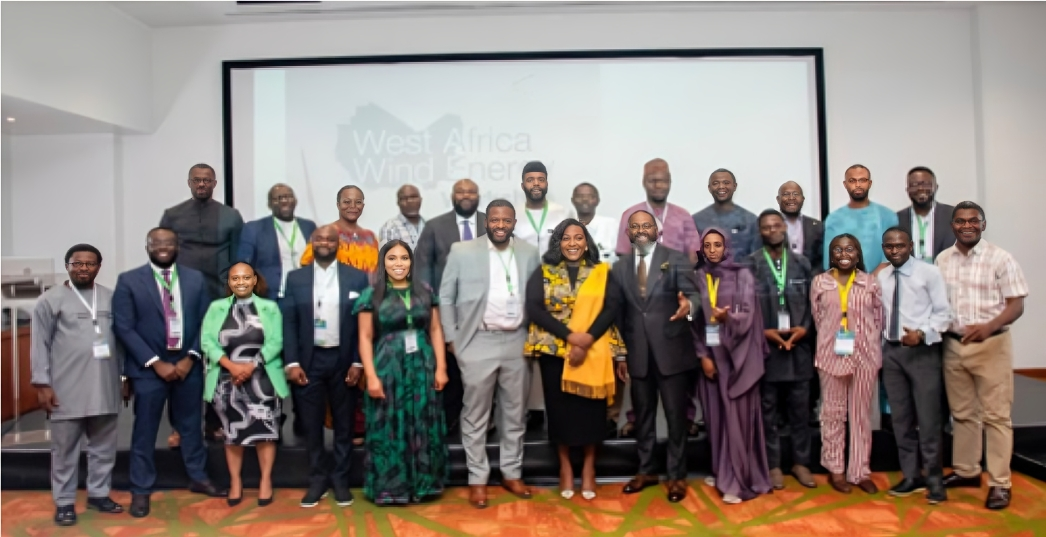
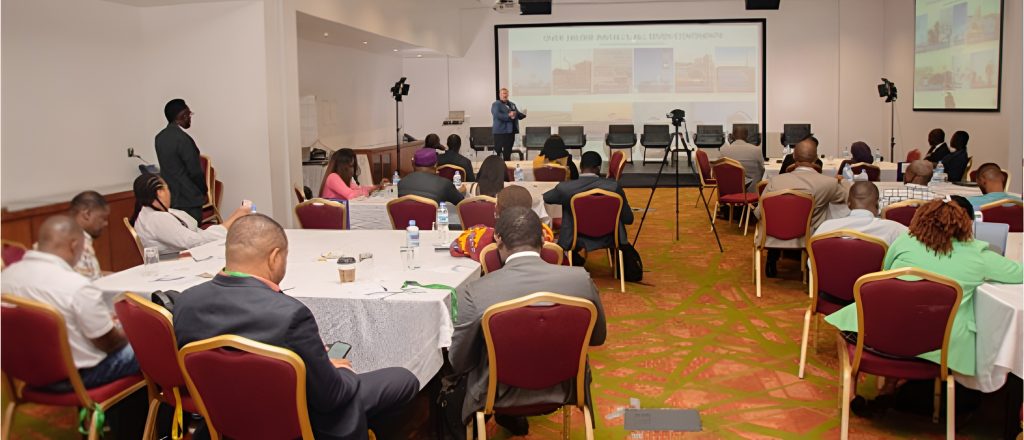
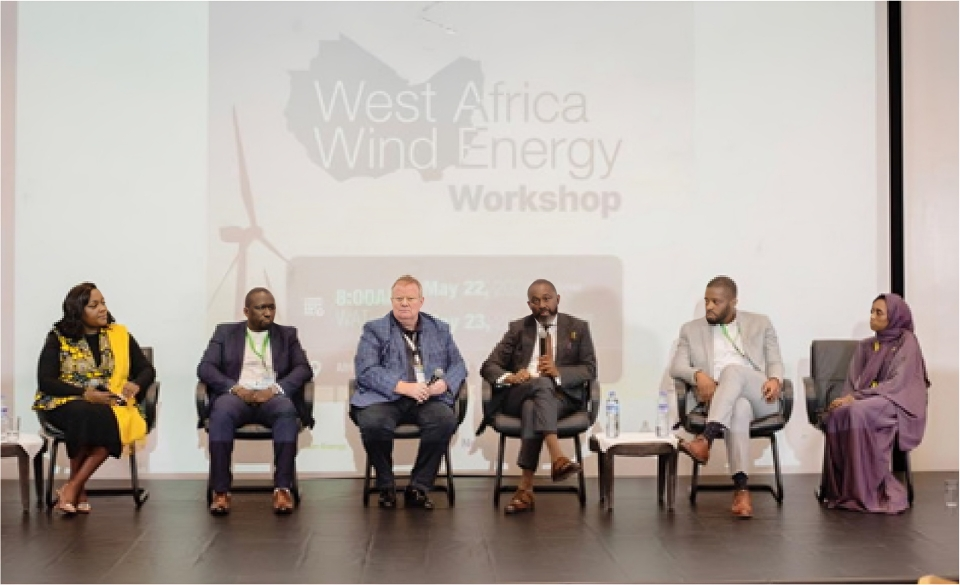
The Global Wind Energy Council (GWEC), in partnership with the Nigeria Wind Energy Council (NWEC), held a two-day West Africa Wind Energy Workshop in Lagos, Nigeria. This workshop brought together key stakeholders to explore the potential of wind energy in West Africa.
One of the workshop’s significant outcomes was the introduction of the NWEC. This council, supported by GWEC, aims to promote wind energy investment in Nigeria, integrate it into its energy mix, and support a just energy transition.
The workshop highlighted recent developments in wind energy technology, particularly in Nigeria. It noted that Nigeria’s National Renewable Energy Action Plan has set targets for wind energy capacity, aiming for 0.8 GW by 2030 and a maximum capacity of 7 GW by 2050.
The workshop also discussed the wind energy profile of Nigeria, revealing that the northern regions, especially states like Plateau, Gombe, and Zamfara, possess high wind speeds, making them suitable for wind energy development. In contrast, while the southern regions have lower wind speeds, locations like Lagos, Ekiti, Oyo, Cross River, and Edo still show potential with wind speeds up to 5.7m/s.
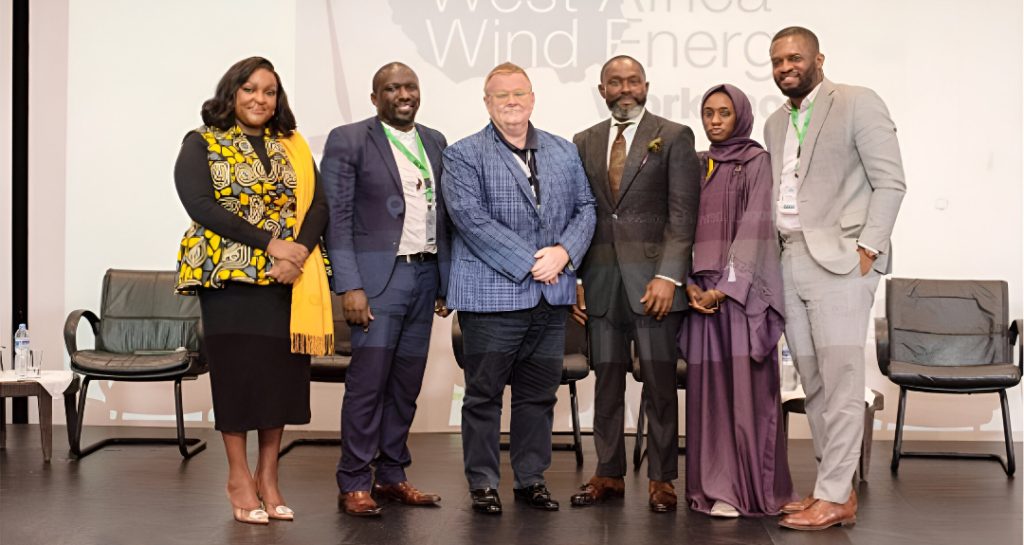
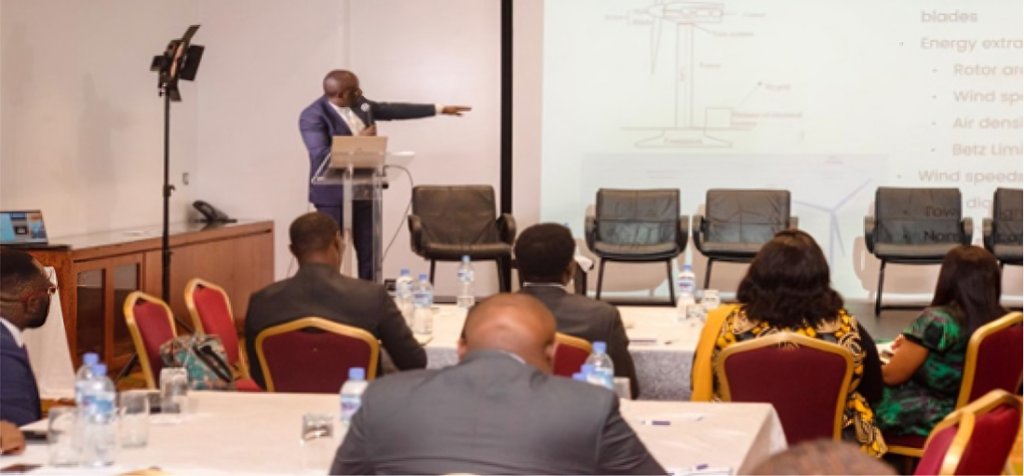
The workshop emphasised the role of wind energy in strengthening the grid. It was noted that Nigeria faces challenges in meeting its energy demands, with the available electricity generating capacity falling short of the total transmission capacity. With its flexibility and ability to be coupled with energy storage systems, wind energy offers a solution to these challenges.
The NWEC, working with government agencies, private investors, development partners, and research institutions, aims to support deploying wind energy technologies in Nigeria. This collaborative effort is focused on increasing energy access, promoting economic activities, and reducing the country’s carbon footprint.
